Martin Lex is the pen name of the 7S1L safety desk: SOLAS, lifesaving and firefighting gear, muster drills, emergency signals and safe work on board. Portrait is illustrative.
Short answer: 7SHORT1LONG® is a Seafarer Identity Brand, and seafarer identity is the one thing maritime fashion cannot manufacture. Fashion can print an anchor on a polo. It cannot put you on anchor watch at 0400 with the chain grumbling in the hawsepipe and the mate on the bridge asking if she is holding.
Fashion starts with appearance. Identity starts with what you are. An AB, oiler, bosun, fitter, steward, cook, cadet, or cruise crew member does not need another anchor graphic drawn by someone who never crossed a gangway. They need a signal that recognizes the work behind the ship.
This essay makes the difference concrete. In scenes, in design decisions, and in an honest word to everyone who is not crew.
The problem with generic maritime fashion
Most nautical style is written for people looking at the sea from land. It borrows stripes, ropes, anchors, blue palettes, and vacation language. That works for tourists walking along a marina. It carries no weight for someone signing on, standing a night watch, or trying to make shore leave before the terminal gate closes.
On board, identity is built differently. Department routines. Safety drills. Port state inspections. Cabin life. Mess room conversations. Overtime. Rough weather. The quiet pressure of being far from home while the ship keeps moving.
None of that appears in a coastal lookbook, because a lookbook is made for the shoreline view. The ship in those photos is always at a safe, pretty distance. For crew, the ship is not a backdrop. It is the workplace, the address, and for months at a time the whole world.
Culture is something you can watch. Identity is something you are.
That distinction is the whole point.
A person ashore can observe maritime culture. Read about it, appreciate it, buy a print of a lighthouse, watch a documentary about container shipping. Culture is available to outsiders. That is what culture is for.
Identity is not available. You are crew or you are not. You have signed articles or you have not. You have stood a muster or you have not. Nobody can consume their way into it.
There is no product that closes that gap. You cannot order sea time. You cannot buy a muster station assignment or a place on the fire team. Those come with the job, and how life at sea shapes identity stays with a person long after sign-off.
That is why 7S1L uses the signal. Seven short blasts, one long. The General Emergency Alarm under SOLAS. It means go to your muster station. It is not decoration. It is a language professional seafarers understand without explanation, and almost nobody ashore does.
Seafarer identity in three scenes
Abstract arguments are cheap. Scenes are not. Here are three.
The anchor
A man at a marina cafe wears an anchor motif on a pastel sweater. He likes boats. Nothing wrong with that. Two berths down the coast, an AB on a bulk carrier finishes anchor watch: hours of checking the chain lead, reading swing on the radar, reporting to the bridge in the rain. Same symbol on two chests. One of them has felt what an anchor actually does when the wind comes up in an open roadstead. The symbol did not change. The person behind it did.
The stripes
A striped shirt in an office on casual Friday says coastal mood. It quotes a sea nobody in the room has worked on. Meanwhile, actual crew spend their days in boiler suits, coveralls, and company polos, because that is what survives grease, chipping hammers, and galley heat. What crew choose to wear off watch, in the mess room or on the flight home, has to say something the boiler suit cannot. That is the space 7S1L builds for. The neighboring essay on why seafarer style is utility takes that thought further.
The emergency signal print
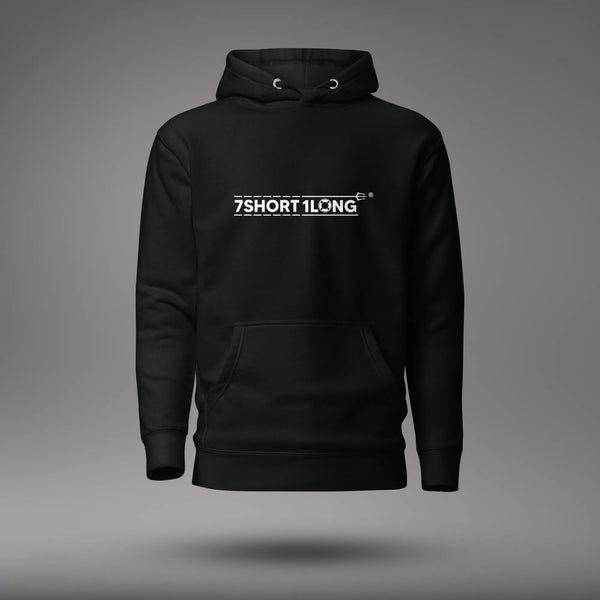
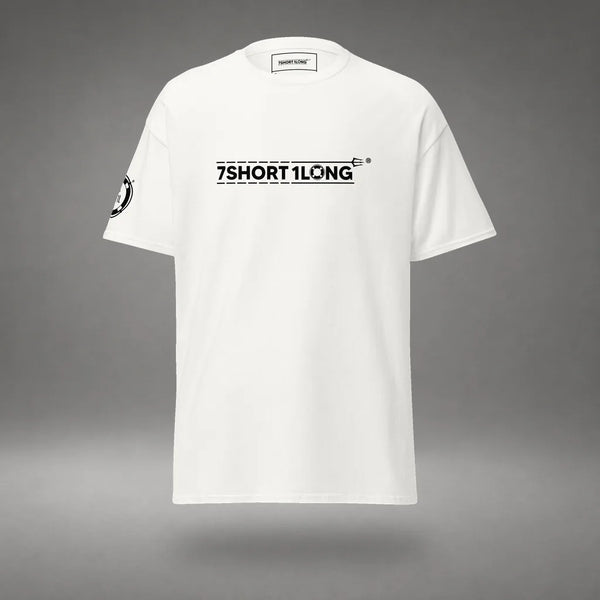
To a guest, seven short marks and one long mark on a hoodie read as abstract graphic design. To crew, they read instantly: general emergency alarm, muster stations, the drill you have walked a hundred times and hope to never walk for real. A cadet wearing that print in an airport transit hall will get a nod from a stranger with a crew bag and a joining letter. No words needed. That nod is the brand working as intended.
 Free crew appSeafarer Contract CheckCheck your contract clause by clause against MLC 2006 and flag state regulations. The check is free. On iPhone, Android or in the browser.
What seafarer identity means for 7S1L design
If identity is the standard, design has to survive crew scrutiny. That produces hard rules.
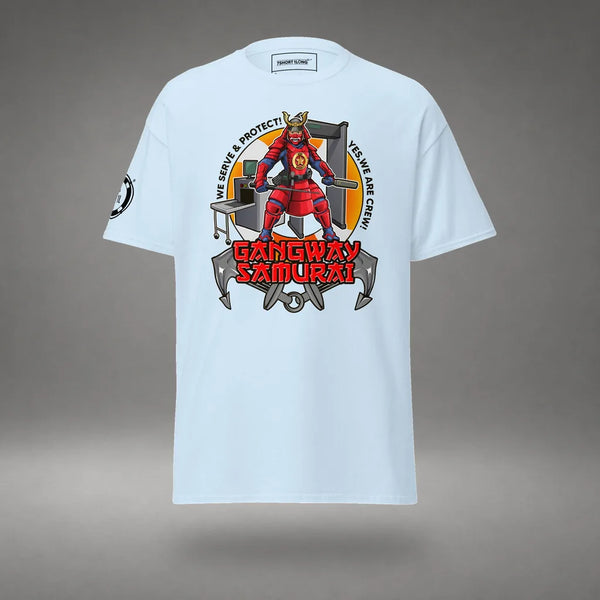
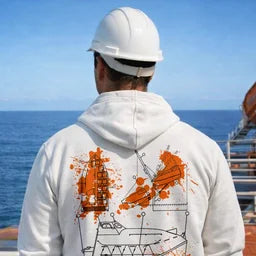
Real ship subjects only. Bulk carriers, tankers, container ships, free fall lifeboats, fast rescue boats, deck versus engine, galley and housekeeping departments. Subjects a working seafarer can point at and say: that is my ship, that is my drill, that is my department. The seafarer t-shirts in the catalog follow that line, and there is a separate essay on the maritime trends 7S1L will not follow: no yacht aesthetic, no rope-framed serif fonts, no sunset sailboat romance.
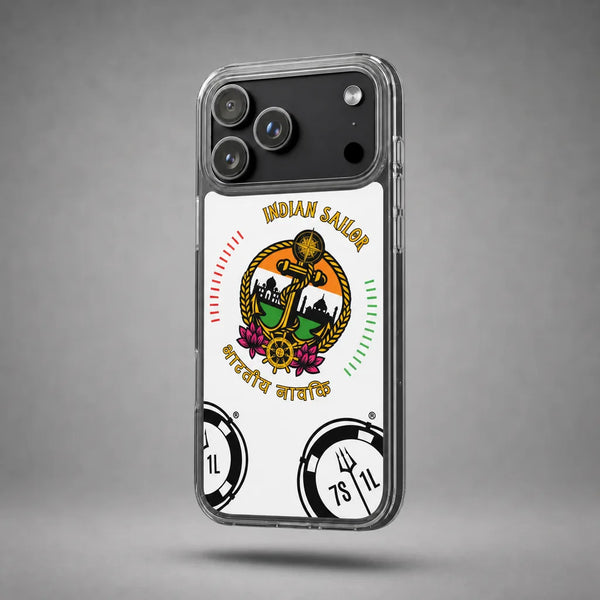
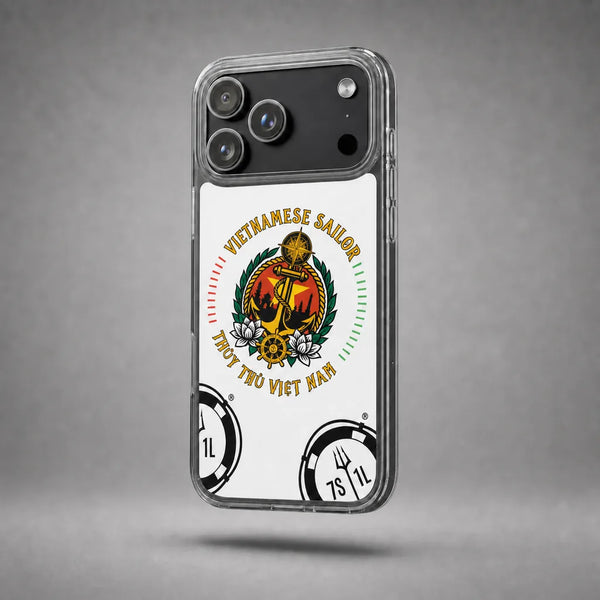
Some pieces name the community directly. The One Sea One Crew t-shirt exists because a mess room can hold Filipino, Indian, Ukrainian, and Indonesian crew at one table, eating together after the same watch. One sea. One crew. That is a working fact before it is a slogan.
Other pieces mark the calendar that rules a seafarer's life. Sign-on and sign-off are the two words that split every year into on board and at home, which is why the sign-on sign-off crew hoodie carries them. And because sign-on is also the moment a bad contract becomes binding, the same community thinking built the free MLC Contract Check: a browser tool that checks a contract clause by clause against MLC 2006 in about a minute, no account, data stays in the browser. A brand that claims crew identity has to care what crew sign before it cares what crew wear.
If you are not crew: an honest word
Plenty of people who buy 7S1L have never signed articles. Parents of cadets. Partners holding down the house through a nine-month contract. Cruise guests who learned their cabin steward's name and started asking real questions about life at sea. They are welcome here. Buying a crew design as an act of respect is a good reason to buy it.
The honest part: the shirt will not make anyone crew. No garment does. Sea time does. Signed articles do. Standing your first real muster with your lifejacket on backwards and a bosun quietly fixing it does. If you wear the signal ashore, wear it the way you would wear a friend's team colors: as support, with the clear knowledge of whose team it is.
That honesty protects both sides. Crew can wear the brand knowing it has not been diluted into costume. Supporters can wear it knowing exactly what they are saying: respect for the people behind the voyage.
How to read 7SHORT1LONG
Read it as a crew signal first. The design may be worn ashore, in transit, during shore leave, or between contracts. The center is still the ship.
It belongs to people who know what it means to leave home, join a vessel, work inside a chain of command, and come back changed.
That is why the strongest 7S1L pieces are low profile, useful, and hard to fake. No yacht fantasy. No tropical postcard. No influencer smile pasted onto a working deck.
Source note
For the safety language connected to the signal, see the International Maritime Organization overview of SOLAS. For the contract standards mentioned above, see the International Labour Organization page on the Maritime Labour Convention, 2006. The brand does not claim to replace training, regulation, welfare organizations, or shipboard procedures.
FAQ
What is seafarer identity?
It is the working reality of crew: signed articles, watch schedules, drills, contracts, and months inside a chain of command far from home. It comes from sea time, not from clothing.
Is 7SHORT1LONG a maritime fashion brand?
No. It is a Seafarer Identity Brand. Clothing is the visible object. Crew identity is the reason it exists.
Who is 7SHORT1LONG for?
Working crew. Able seamen, ordinary seamen, oilers, fitters, bosuns, electricians, stewards, cooks, cadets, cruise crew, cargo crew, offshore workers, and maritime students.
Can cruise guests wear 7SHORT1LONG?
Yes, if they wear it as crew support and not as a costume. The right message is respect for the people behind the voyage.
Does wearing crew apparel make you part of the crew?
No. Sea time and signed articles do that. A shirt can show respect for crew. It cannot replace standing a watch.
YES, WE ARE CREW.
Gear for the watchSeafarer T-Shirts · Crew Best SellersBuild your Sign On Set · Build your Sailor Set