Martin Lex is the pen name of the 7S1L safety desk: SOLAS, lifesaving and firefighting gear, muster drills, emergency signals and safe work on board. Portrait is illustrative.
Most lists of gifts for seafarers are written by people who have never carried a kit bag up a gangway. They recommend ship wheels, anchor bookends, captain mugs. Crew do not want any of it, and most of it would not survive the first crew change anyway.
The best gift for a seafarer starts with department. A second engineer, a bosun, a galley hand, a cruise steward, a cadet, and an oiler do not live the same workday. Generic nautical gifts miss that completely. A department-based gift respects the routine: watch schedules, cabin space, ship laundry, port security, mess room life, engine-room heat, deck weather, and the reality of packing everything into one bag at crew change.
This guide covers both halves of the decision. First, what survives contract life at all: space, weight, power, customs, laundry. Then, what fits the actual job on board, department by department.
Gifts for seafarers have to survive contract life first
Buying for a seafarer starts with one rule: the gift has to survive contract life. Airports, crew buses, port security, gangways, small cabins, ship laundry, watch schedules, and months away from home.
A good gift is compact, useful, and honest. A bad gift is heavy, fragile, decorative, or built around tourist nautical clichés the crew member would never choose for themselves. Before you look at any product, run the idea through four filters.
Space and weight
Most crew fly to the vessel with one checked bag and a carry-on. That bag already holds work clothes, documents, medication, chargers, and everything personal for the next six to nine months. A gift competes with all of it. If it weighs more than a hoodie or takes more room than a shoebox, it will probably stay home.
Cabins are the second filter. A rating on a bulk carrier has a small cabin to themselves. A cruise steward often shares one, with half a wardrobe and a shelf. Anything that needs a wall, a table, or display space fails before it is unwrapped.
Power, plugs, and batteries
Sockets on board are not standardized. Voltage and plug types vary by vessel, builder, and flag, and the cabin socket may not match anything the gift shipped with. A universal travel adapter is one of the least romantic gifts on earth and one of the most used.
Batteries have their own rules. Under the IATA guidance that airlines apply, power banks and spare lithium batteries travel in carry-on baggage, not in the checked bag, and units up to 100 Wh need no airline approval. A power bank above that limit can be refused at check-in. If you gift one, check the printed Wh rating before you buy.
Airports, customs, and port security
A gift for a joining crew member passes through more checks than most luggage: home airport, transfer, arrival, agent's van, port gate, gangway watch. Never hand over a sealed, wrapped package to carry. The person carrying it has to be able to open it and answer for it at every one of those points.
Expensive electronics deserve a second thought too. High-value items can raise questions at customs on arrival, and rules differ by country. Keep it modest, keep the receipt with the gift, and skip anything that looks like it was bought to resell.
Ship laundry
Clothing gifts meet the ship's laundry, and the ship's laundry does not read care labels. Industrial machines, hot dryers, mixed loads, harsh detergent. Delicate fabrics, light colors, and anything "hand wash only" will not look the same after week two. Sturdy cotton in dark colors survives. That is not a style opinion, it is a machinery fact.
Match the timing: sign-on, mid-contract, homecoming
The second most useful thing you can find out, after department, is where they are in the contract cycle. That answer changes what the gift is for.
Sign-on: it has to fit the kit bag
The weeks before a contract are packing weeks. Every item has to earn its space, because what does not fit stays home for nine months.
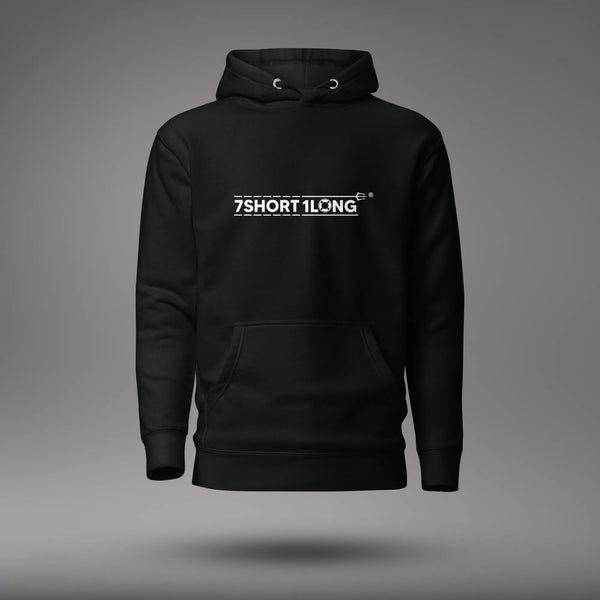
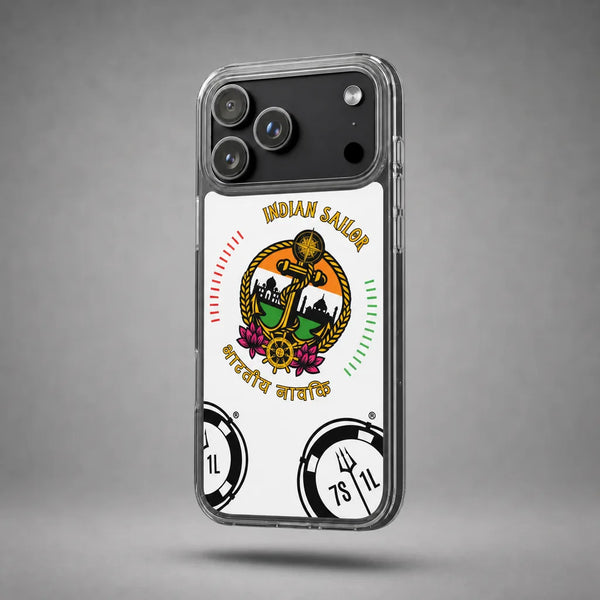
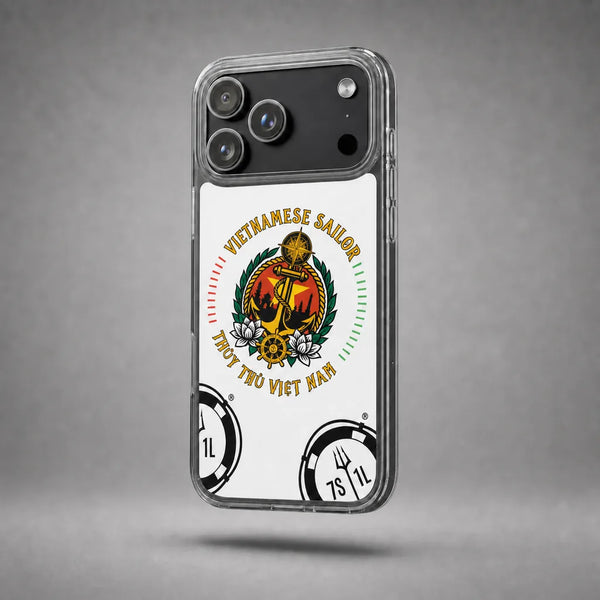
What works: a seafarer hoodie for night watches and air-conditioned mess rooms. A quick-dry towel. A power bank cleared for air travel. Quality socks, more than they think they need. A durable case for the phone that carries every call home. 7SHORT1LONG® builds the Sign On Set around exactly this week: pieces that go into the bag, not onto a shelf.
Order once the sign-on date is known, not the week before the flight. The gift has to reach the home address before the bag closes.
Mid-contract: month four is the hard one
Ship mail is slow and port calls move. Sending something to the vessel is unreliable, and a gift that misses the ship is a gift that follows it around the world for a month.
The reliable route: deliver to the home address before departure, or have it waiting for sign-off. What actually reaches a ship mid-contract is data and contact. Topping up their communication budget, or simply calling at a time that fits the watch schedule, beats any parcel. If their phone is set up right before joining, that mid-contract contact gets easier: there is a full guide to the seafarer phone setup before joining a ship.
Homecoming: mark the return, do not decorate it
Signing off is not a holiday. It is the end of a long job. A gift waiting at home says: we know what you did out there.
A Nationality Sailor Set works here because it names their world instead of decorating it. Filipino, Indonesian, Indian, Myanmar, Vietnamese, European, and US sets.
What does not work: anything that treats the contract as an adventure. They were at work.
Deck department
Deck crew work around weather, lines, cargo, gangways, paint, rust, and long hours outside. The AB and the ordinary seaman are on deck when it rains, and rust does not wait for good weather. Mooring stations at 0300, chipping and painting through the afternoon, cargo watch in port. Sun on the open sea is stronger than most people ashore ever meet, with nothing to stand behind.
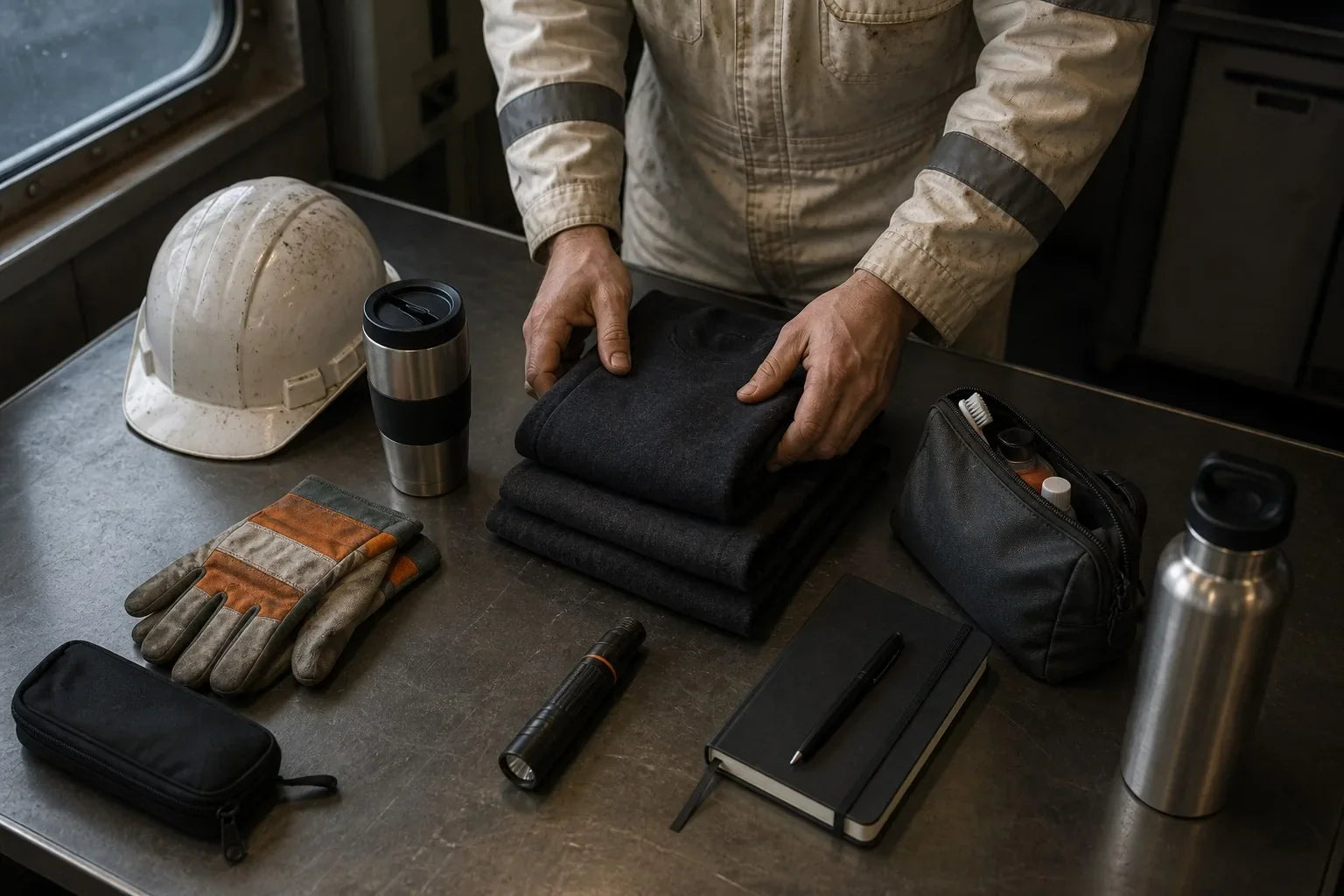
One thing a gift is not: work gear. Boiler suits, gloves, helmets, and safety shoes come from the company, and crew are rightly picky about their PPE. The gift lives in the hours around the work.
What works: compact sun protection, quality socks, a durable notebook, a small dry bag, a low-profile cap, or a shirt that speaks to deck identity without turning the job into a costume. If you want to understand the world you are buying for, the difference between the departments is its own story: deck vs engine, the two worlds of a merchant vessel.
Engine department
Engine crew work in heat, noise, vibration, and machinery spaces. A watch below can run 45 degrees next to the main engine. What matters is comfort after watch, when you come up from the engine room and everything you are wearing is wet.
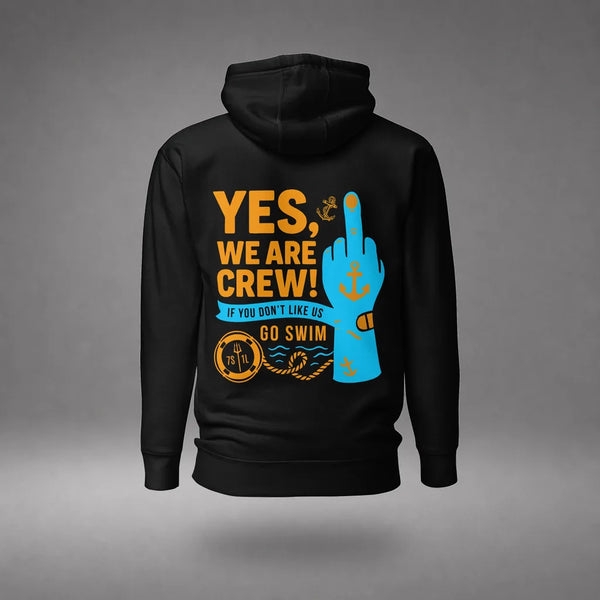
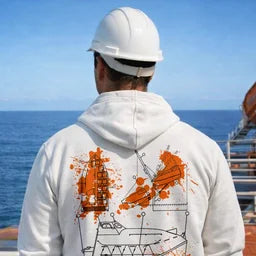
Pack for that moment: shower gear, spare socks, a compact towel, a phone case that survives the workshop, a small organizer, or an engine-room design that needs no explaining. Something clean and soft for the change-over matters more down there than anywhere else on the ship. A Seafarer Daily Life Hoodie is built for exactly that hour: watch done, shower done, mess room, coffee.
Skip anything with white fabric. The oiler and the fitter know why.
Galley and hotel crew
Intense routines, fast turnarounds, guest pressure, and almost no private time. On a cruise ship they are the largest group on board and the least visible. The cook starts before the first watch changes and finishes after the last one.
Housekeeping and cabin stewards carry a different load: hundreds of cabins on turnaround day, long guest-facing hours in uniform, a name tag instead of a name. For crew who spend the whole day in company clothing, the strongest gift is something that is unmistakably theirs. Off-duty clothes that have nothing to do with passenger service.
Small and cabin-sized wins here. A quality bottle. Travel-size care items. A comfortable hoodie for time off. Something tied to crew identity rather than to passenger service.
Ship security
Gangway watches in every port, ISPS drills, access control, and the job nobody else notices until something goes wrong. The gangway watch stands in the sun in Jebel Ali and in the rain in Rotterdam, checking IDs and keeping the visitor log, for the whole port stay.
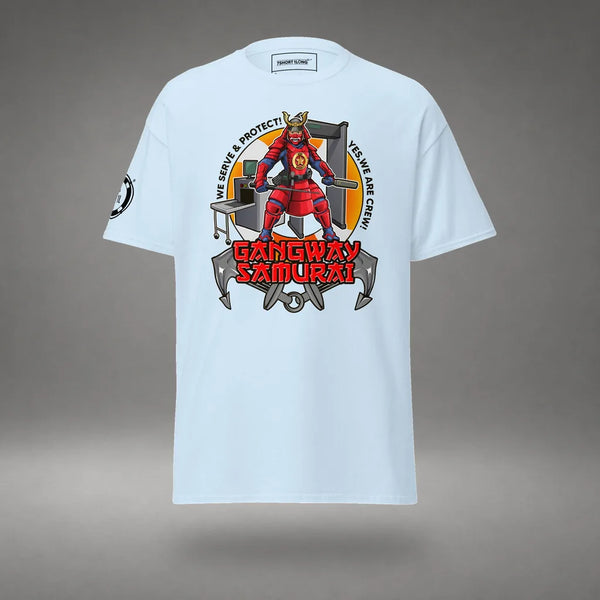
Useful on the gangway: a durable cap for long hours, a good notebook, or a design that names the work. The Safety at Sea collection is built for exactly this.
Cadets
Cadets need practical items and encouragement that does not feel childish. It is their first contract, the pay is low, and half the kit list came out of their own pocket. A notebook, a compact bag, a durable pen, a laundry kit, or a low-profile crew shirt marks the start of sea time without overdoing it.
The best cadet gift acknowledges that they are crew now. Nothing does that better than gear a working AB would also wear.
Merchant crew and cruise crew are not the same buyer
A bulk carrier AB on a nine-month contract packs for isolation. A cruise ship steward on a six-month contract packs for a shared cabin, a uniform locker, and almost no private space at all.
Merchant crew value things that last a long passage. Cruise crew value things that take up no room. Both hate clutter. The full comparison of the two worlds is here: cruise ship life vs cargo ship life.
One boundary matters: this article is for people buying for crew they know. Family, partners, friends, shipmates. If you are a cruise passenger who wants to show appreciation to the crew of your ship, that is a different situation with its own etiquette, and it has its own guide: gifts for cruise guests who support crew.
Clothing that carries identity
Shirts and hoodies work when the message is specific. A tanker design, a container ship design, a deck department reference, an engine-room joke, or the 7S1L signal carries more weight than a generic anchor.
The point is recognition. Crew know immediately when a design understands their world, and they know when it does not. A design that gets the details right says the giver took the job seriously. That is the whole gift.
What crew do not need
Heavy decorations. Fragile souvenirs. Joke captain gifts. Oversized bags. Novelty anchors. Yacht language. Model ships, in every form. Anything that takes cabin space without helping the person on contract, and anything that turns crew life into a costume.
If the gift cannot survive an airport, a crew bus, a gangway, a shared cabin, and several months at sea, choose something simpler.
Also avoid the idea that a gift fixes anything. Loneliness, fatigue, mental health, and shore-leave pressure are real crew issues. A gift can show care. It cannot replace welfare support, rest, family contact, or a fair contract.
The gift that costs nothing: check the contract
If someone you care about is about to sign on, one of the most useful things you can send them is not a product at all. The free MLC Contract Check reviews a seafarer employment agreement clause by clause against the MLC 2006 standard, in about a minute, in the browser, with no account. A hoodie keeps them warm on watch. A checked contract can keep them out of a bad nine months.
If you still do not know what to buy
Ask two questions. What vessel type? What department?
Those two answers beat every generic gift list on the internet, including this one. If you can only get one answer, take department. "Deck or engine?" is a normal question, and they will answer it in one word.
Once you have them, start on the Gifts for Seafarers page. Buying for a whole crew or a shipping company? Fleet & Crew Gifting handles branded gifting for entire crews. Christmas, anniversaries, sign-on.
Source note
Battery rules referenced above follow the IATA lithium battery guidance for passengers, which airlines apply to power banks and spare batteries in baggage: IATA, Lithium Batteries. The contract standard behind the MLC Contract Check is the ILO Maritime Labour Convention, 2006. Port security duties mentioned in the ship security section come from the IMO ISPS Code. Customs allowances for arriving crew differ by country and change; check the destination country's customs authority for current rules. This article is editorial guidance for gift buyers, not legal advice.
FAQ
What are good gifts for seafarers?
Small, useful, durable, easy to pack. Quality socks, a quick-dry towel, a power bank under 100 Wh, a durable phone case, a universal adapter, and clothing with real crew identity. Match the gift to the department if you can.
Why buy gifts by department?
Department shapes the work. Deck, engine, galley, hotel, security, and offshore crew have different routines, pressures, and practical needs. A gift that fits the routine gets used. A generic one stays in the bag.
What is a good sign-on gift?
Anything that earns its space in the kit bag. A hoodie, a quick-dry towel, a power bank, good socks, a durable phone case. Order once the sign-on date is known so it arrives before the bag closes.
Can I send a gift to a ship?
It is unreliable. Ship mail is slow and port calls move, so a parcel can chase the vessel for weeks. Deliver to the home address before departure, or have it waiting for sign-off.
I do not know their department. What should I do?
Ask. "Deck or engine?" is a normal question and they will answer it in one word. If you cannot ask, choose something neutral and practical rather than guessing.
What gifts should I avoid?
Fragile, heavy, oversized, decorative, or tourist-style nautical gifts that do not fit cabin life. No model ships, no captain jokes, no sealed packages for someone else to carry through customs.
YES, WE ARE CREW.
Gear for the watchCrew Best Sellers · Build Your Sign On SetBuild your Sign On Set · Build your Sailor Set