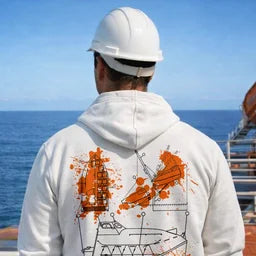
Martin Lex is the pen name of the 7S1L safety desk: SOLAS, lifesaving and firefighting gear, muster drills, emergency signals and safe work on board. Portrait is illustrative.
Not every maritime trend belongs in 7SHORT1LONG®. Some trends weaken the brand because they move the story away from crew and toward tourists, yachts, beachwear, or generic ocean lifestyle language.
7S1L is a Seafarer Identity Brand, and its brand positioning is built on refusal as much as on anything it prints. The trend filter is strict. If a design, page, article, or campaign does not strengthen crew identity, it does not belong. The full argument for why crew identity beats maritime fashion is in Seafarer Identity Is Not Maritime Fashion.
This article is the working list. The trends 7S1L will not follow, one by one, and what the brand does instead.
Why a refusal list is brand positioning
A brand that tries to reach everyone who likes the sea ends up speaking to no one who works on it. The audience here is specific. The Seafarer Workforce Report 2026 from BIMCO and the International Chamber of Shipping counts about 2.57 million seafarers serving on 85,148 merchant ships worldwide. That is the room 7S1L speaks to: the mess room, not the marina.
Every refusal below runs on the same test. Does this speak to someone standing a watch, or to someone watching the water from a deck chair? Crew or guest. If the honest answer is guest, the trend is out.
Trend to reject: yacht lifestyle aesthetics
Luxury yacht language points in the wrong direction. It speaks to leisure, status, and polished teak. The people who buy the yacht aesthetic mostly charter for a week, or want the look of ownership without a vessel: boat shoes for the office, a striped polo for the golf club. Nothing wrong with that market. It is simply not crew.
An oiler finishing a bilge round does not see himself in a marina sundowner graphic. Neither does a cruise steward after a ten-hour turnaround day. 7S1L speaks to working ships instead: cargo watches, crew cabins, engine rooms, gangways, terminals, port gates, rain, steel, salt, and long contracts.
Trend to reject: sunset sailing romance
The stock image is always the same. Golden hour, a couple on a foredeck, a glass of wine held against the sun. Real sea time looks different. The 0400 watch relief climbs the bridge stairs with instant coffee, checks the radar picture, reads the standing orders, and settles in for four hours of dark water. Sunrise happens somewhere behind the log entries.
7S1L starts from the watch schedule, not from the sunset. If a design or a caption would sit comfortably in a honeymoon brochure, it is cut.
Trend to reject: generic salt slogans
"Salt in my veins." "The ocean is calling." "Saltwater heals everything." The generic salt-slogan genre fits anyone, and that is exactly the problem: it fits a landlocked gift shop as well as a bosun. A line that anybody can wear says nothing about the person wearing it.
7S1L prints specific subjects instead: the general emergency alarm, fire drills, free fall boats, department names, ship types. Specificity is the whole point. It is why another seafarer on a gangway can read the shirt and know.
Trend to reject: the anchor as decoration
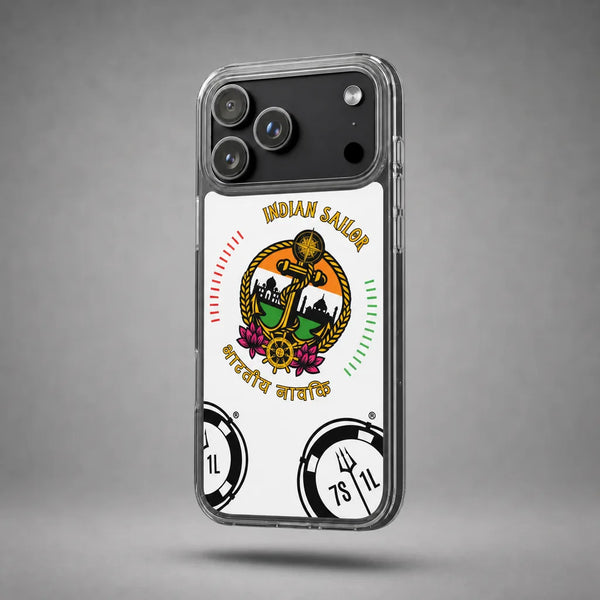
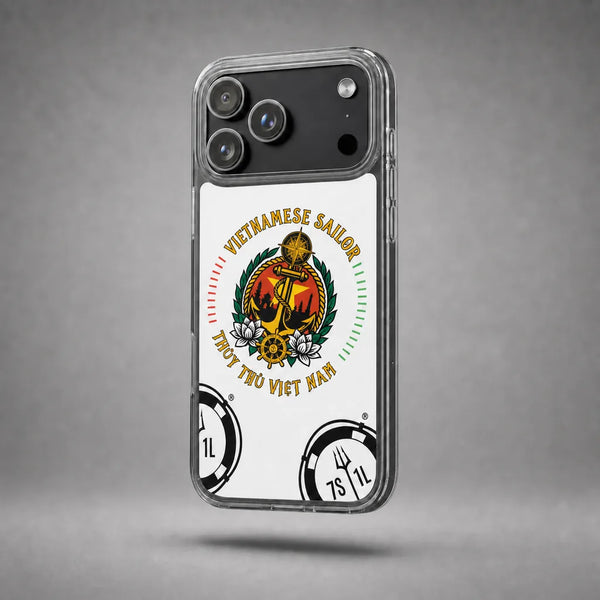
On land the anchor is decor: throw pillows, wall stickers, charm bracelets. On board the anchor is a workplace. The bosun stands the forecastle at anchor stations, the windlass takes the load, the chain runs out shackle by shackle, and someone calls the count to the bridge. It is heavy, supervised work in all weathers, and people get hurt when it goes wrong.
When 7S1L shows equipment, it shows it as equipment: something crew operates, maintains, and respects. An anchor without the windlass, the chain, and the person at the brake is just a shape.
Trend to reject: costume nautics
Captain's hats for guests. Epaulettes on a party shirt. Anchors, palm trees, tropical cruise language, fake captain jokes, and beach souvenir copy are easy to sell. They also make a brand easier to copy and less believable to crew, because a master's four stripes stand for a licence and years at sea, not a costume.
Maritime tradition without the costume exists, and it is stronger. The real tattoo tradition behind HOLD FAST carries more weight than any dress-up captain. And guests who genuinely want to honor the people running their ship have a better path than a toy hat: supporting the crew behind their cruise.
Trend to reject: motivational quotes on ocean photos
"A smooth sea never made a skilled sailor," set in white script over a stock wave. Hustle-poster logic borrowed the ocean because it photographs well. At sea, rough weather is not a metaphor for personal growth. It is lashings to check, a galley cooking on storm rails, and a rest-hour log the chief officer has to defend at the next inspection.
7S1L does not lecture crew about grit. The documentary tone states what the work is and lets the work speak.
 Free crew appSeafarer Contract CheckCheck your contract clause by clause against MLC 2006 and flag state regulations. The check is free. On iPhone, Android or in the browser.
Trend to reject: fake heritage
Invented founding dates. Made-up shipyard stories. Coats of arms that never existed. "Est. 1892" on a label registered three years ago. Crew can smell it, and once they do, everything else on the page is suspect.
7S1L states its actual origin instead: the name comes from the general emergency alarm, seven short blasts and one long, the signal every crew member on a SOLAS vessel drills at muster stations. A real subject needs no invented history.
What the pictures look like instead
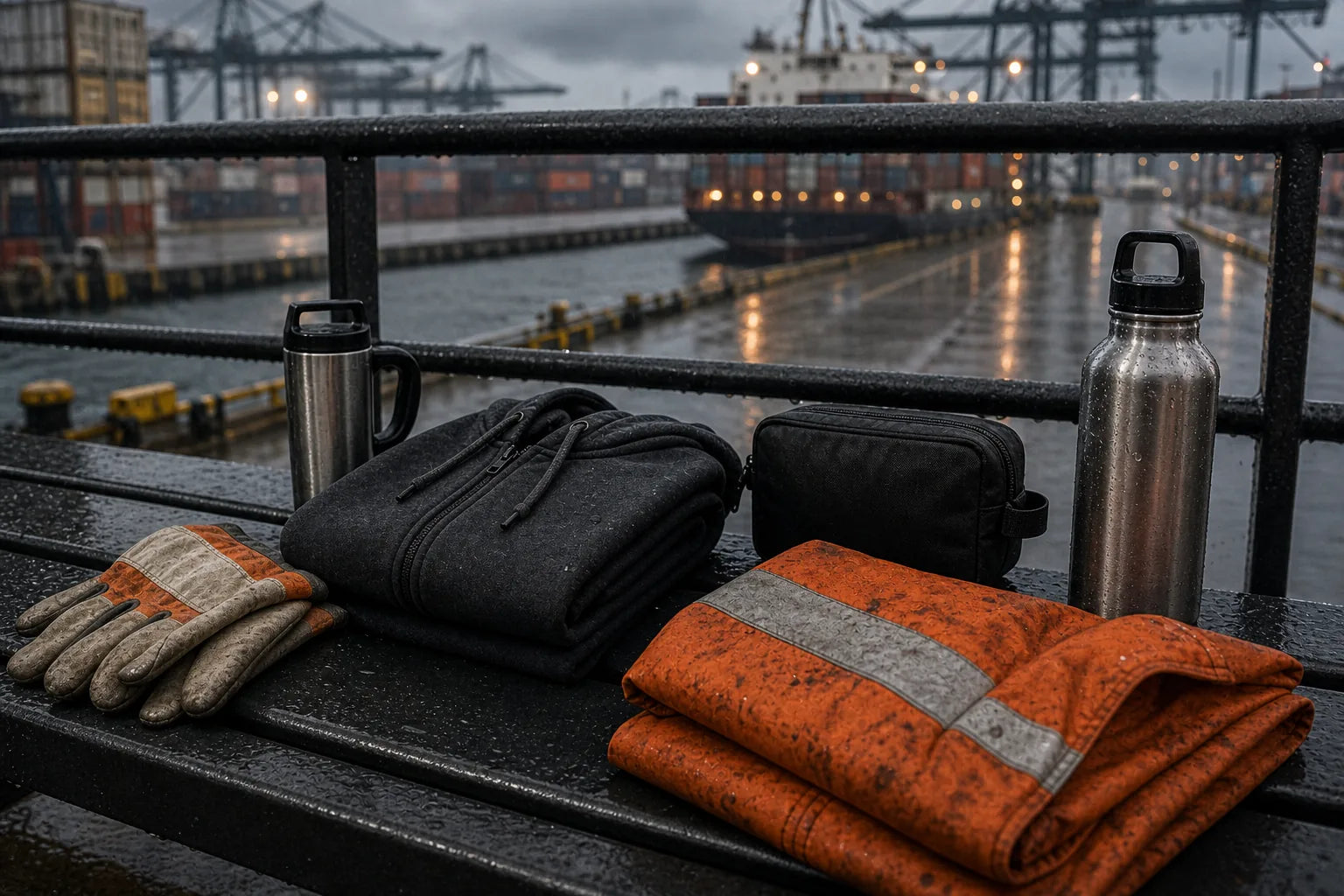
The refusals decide the visual language too. Crew identity does not need perfect smiles, staged marina poses, or fashion-editorial emptiness. 7S1L imagery is dark and documentary: sodium deck lights instead of golden hour, engine room fluorescents instead of studio softboxes, a wet gangway at a container terminal instead of a beach. Work light, not sunset light.
That choice is practical as much as aesthetic. A seafarer scrolling on slow terminal Wi-Fi should recognize the frame in half a second: that is my deck, that is my alleyway, that is the 0400 light on the bridge wing. Recognition beats polish.
Why a small brand can afford to refuse
Refusal sounds expensive. Big apparel brands cannot do it, because scale needs every buyer, including the guest reaching for a captain's hat. A small brand runs on different economics. It does not need everyone. It needs the right people to recognize it and keep it.
That is what community before commerce means in practice. 7S1L puts work into things that sell nothing directly, like the free MLC Contract Check, a browser tool that checks a seafarer employment agreement clause by clause against MLC 2006 before sign-on, in about a minute, with no account and no data leaving the browser. A yacht-lifestyle brand has no reason to build that. A crew brand has no excuse not to try.
The refusal list and the community work are the same decision seen from two sides. Say no to guests as an audience. Say yes to crew as a community. The products sit downstream of that.
The thing that is not a trend
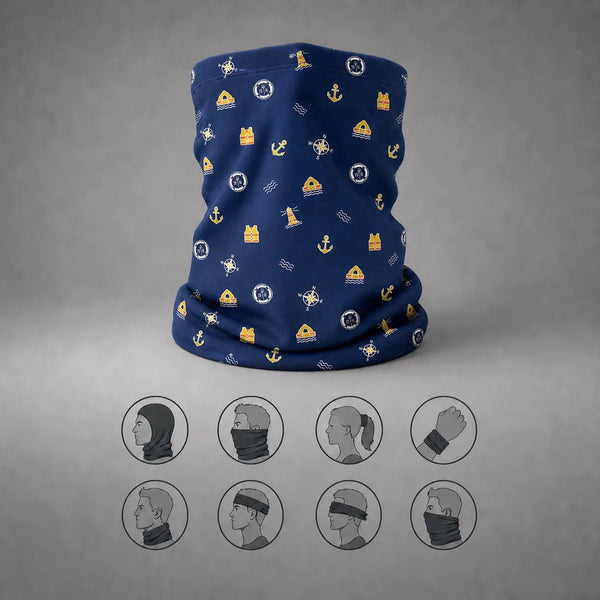
Useful identity. A shirt, hoodie, cap, or case should help crew recognize their own world: deck, engine, hotel, galley, tanker, container ship, bulk carrier, cruise ship, offshore work, shore leave. Why utility beats ocean-inspired styling is its own argument, made in Seafarer Style Is Utility.
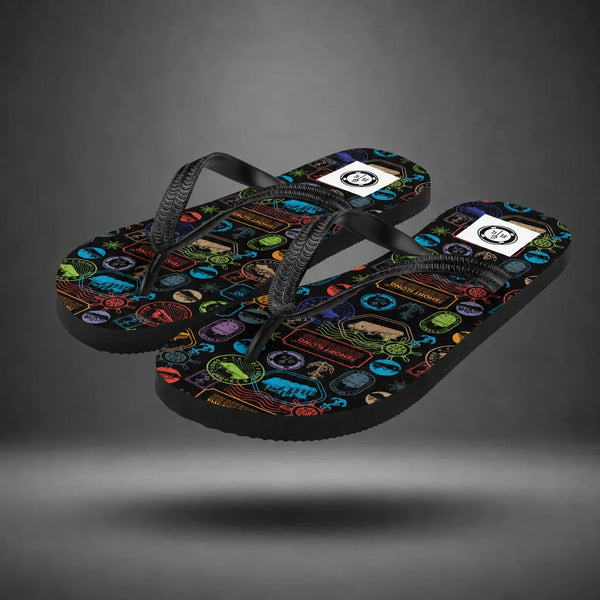
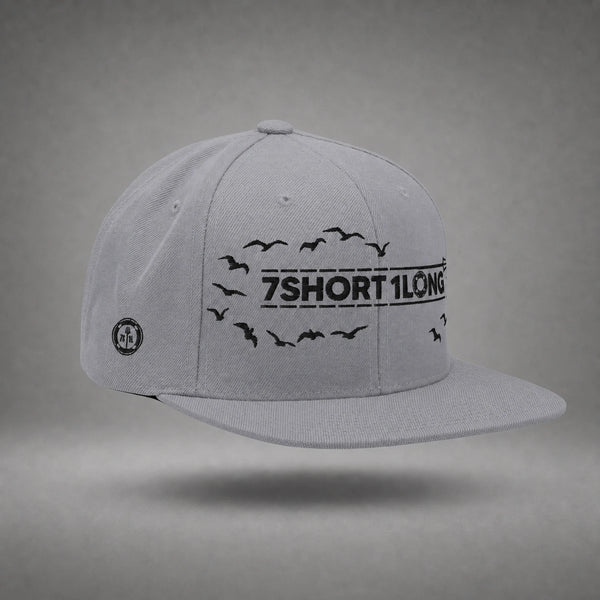
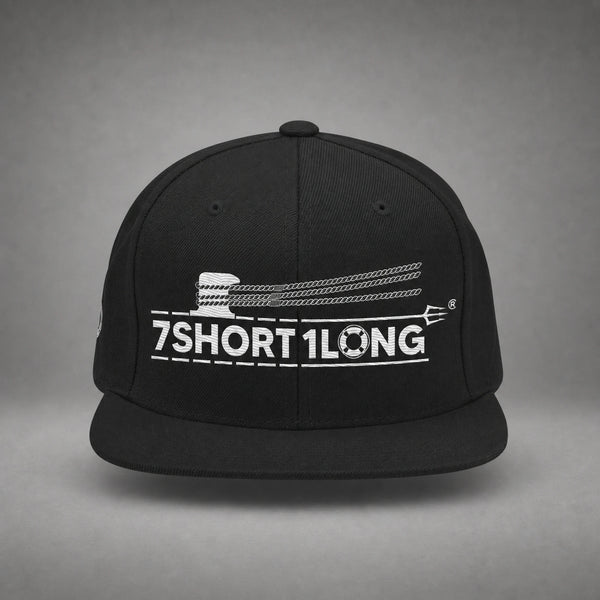
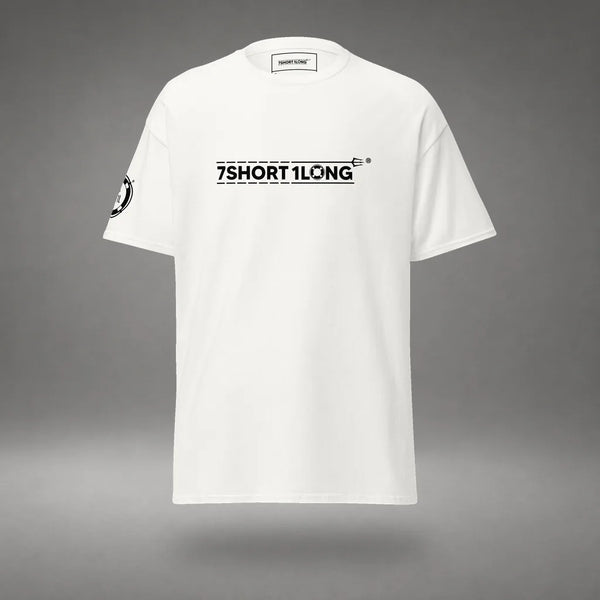
The Seafarer Emergency Signal T-Shirt is the working example. Its subject is the general emergency alarm itself, a signal defined under SOLAS and drilled at every muster. A guest sees a pattern. Crew reads a signal. The same logic runs through the ship type t-shirts and through most of the crew favorites: real subjects from the working day, printed for the people who live them.
That is how 7S1L becomes harder to copy over the next ten years. Chasing maritime fashion would make the brand interchangeable within one season. Owning crew identity with discipline is slower, and it compounds.
Source note
The seafarer workforce figure comes from the Seafarer Workforce Report 2026 by BIMCO and the International Chamber of Shipping: an estimated 2.57 million seafarers serving 85,148 merchant ships. The general emergency alarm and muster requirements sit within the SOLAS Convention maintained by the IMO. This article is editorial context on brand standards, not safety or legal guidance.
FAQ
Is 7SHORT1LONG a maritime fashion brand?
No. It is a Seafarer Identity Brand. Products are symbols of belonging, and every design must pass the crew-or-guest test before it is made.
What is the difference between yacht lifestyle and seafarer identity?
Yacht lifestyle is leisure at sea: status, polished decks, marina evenings. Seafarer identity is work at sea: watches, contracts, drills, departments, and the discipline of keeping a vessel running.
What maritime trends does 7SHORT1LONG reject?
Yacht lifestyle aesthetics, sunset sailing romance, generic salt slogans, anchors as decoration, costume nautics like captain's hats for guests, motivational quotes on ocean photos, and fake heritage.
Why does brand positioning by refusal work for a small brand?
A small brand does not need every buyer. It needs crew to recognize it as theirs, so it can decline trends that speak to guests, which a mass-market label cannot afford to do.
Why does 7SHORT1LONG avoid anchors and captain's hats?
For crew, the anchor is a workplace at the windlass, not a decoration, and a captain's four stripes stand for a licence earned over years at sea, not a party costume.
What does the 7SHORT1LONG visual style look like?
Dark and documentary: work light instead of sunsets, sodium deck lamps, engine room fluorescents, wet gangways, real ships, and no staged marina poses.
YES, WE ARE CREW.
Gear for the watchSeafarer T-Shirts · Crew Best SellersBuild your Sign On Set · Build your Sailor Set